
ABT / Non-ABT & NET Meters
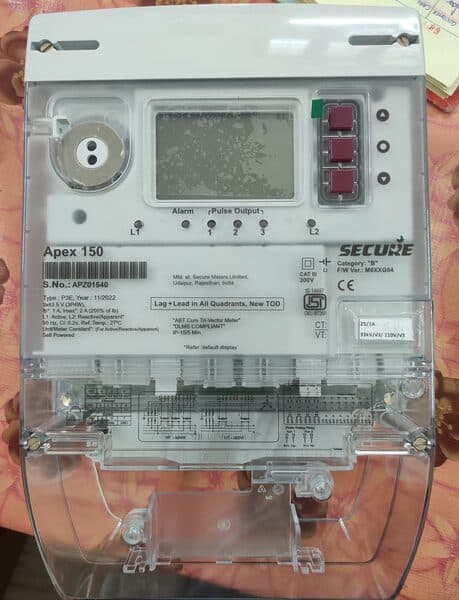
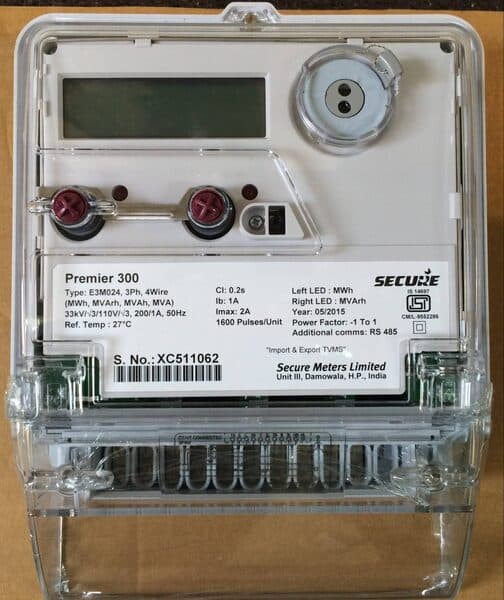
NABL accredited calibration of all ABT, Non-ABT and Net metering units — uni-directional and bi-directional, classes 0.2s to 2, compliant with IS 16444 and APERC/TSERC requirements.
Scope of Calibration
ABT (Availability Based Tariff) Meters
Open Access consumers on short-term & long-term power purchase
Non-ABT Energy Meters
General HT & LT metering not under open access framework
NET Energy Meters (Solar)
Net metering for rooftop solar generators under APEPDCL/TSSPDCL policy
NET Energy Meters (Wind)
Net metering for wind power generators and hybrid plants
Uni-directional Meters
Single-direction energy recording for conventional consumers
Bi-directional Meters
Two-way energy recording for prosumers — import and export metering
Class 0.2s Meters
Revenue-grade accuracy for large industrial and grid consumers
Class 0.5s Meters
Standard accuracy for most HT Open Access metering points
Class 1 & Class 2 Meters
General purpose metering for commercial and small industrial loads
Service Details
- Location: Permanent Lab & On-site
- Standard: IS 16444
- Classes: 0.2s, 0.5s, 1, 2
- Direction: Uni & Bi-directional
- Accepted by: APERC, TSERC, DISCOMs
Related Services
Frequently Asked Questions
ABT (Availability Based Tariff) meters are used for Open Access consumers on short-term or long-term power purchase agreements, recording energy for grid settlement purposes as per regulatory requirements.
Uni-directional meters record energy flow in one direction only (import), while bi-directional meters separately record both import and export energy — required for prosumers such as rooftop solar generators feeding energy back to the grid.
The metering principle is the same (bi-directional recording under net metering policy), but installations are configured per APEPDCL/TSSPDCL policy requirements specific to the generation source and connection type.
Calibration follows IS 16444, covering classes 0.2s to 2 for both uni- and bi-directional configurations.